Mastering Efficiency: Unlocking Peak Production through Superior Manufacturing Techniques
In today's fast-paced industrial landscape, the quest for efficiency in product manufacturing has become more crucial than ever. Companies are constantly seeking ways to enhance their production processes, reduce costs, and maintain high standards of quality. Understanding and implementing superior manufacturing techniques can unlock the potential for peak production, providing a significant competitive edge in the marketplace.
By focusing on optimizing production, businesses can not only streamline their workflows but also innovate the way they create value. From employing advanced technologies to adopting lean manufacturing principles, the path to mastering efficiency is paved with strategic choices and robust methodologies. As we explore various approaches to enhance product manufacturing, it becomes clear that the right techniques can transform an ordinary operation into a powerhouse of productivity.
Innovative Techniques in Manufacturing
In the ever-evolving landscape of product manufacturing , innovative techniques play a crucial role in boosting efficiency and output. One prominent method is the adoption of automation technologies, which significantly reduces human errors and increases production speed. Automated machinery not only streamlines processes but also allows for 24/7 operations, thereby maximizing production capabilities. As industries embrace advanced robotics and AI-powered systems, manufacturers can achieve unprecedented levels of precision and consistency in their products.
Another technique that is gaining traction is additive manufacturing, commonly known as 3D printing. This approach offers the ability to create complex geometries and customized products with minimal material waste. By allowing rapid prototyping and on-demand production, additive manufacturing enables companies to adapt quickly to market changes and consumer demands. This flexibility can lead to shorter lead times and reduced inventory costs, which are essential for maintaining competitiveness in the manufacturing sector.
Lean manufacturing is also a vital technique that focuses on minimizing waste while maximizing productivity. By implementing the principles of lean, manufacturers can identify inefficiencies in their processes and streamline operations. Techniques such as just-in-time production support inventory reduction and foster a culture of continuous improvement. Through the systematic elimination of non-value-added activities, companies can significantly enhance their overall productivity and ensure that resources are utilized effectively.
Streamlining Production Processes
Streamlining production processes is crucial for enhancing efficiency in product manufacturing. By analyzing each step of the production workflow, manufacturers can identify bottlenecks and areas for improvement. Implementing lean manufacturing principles can help eliminate waste, reduce cycle times, and ultimately lead to a more efficient production line. Engaging the entire team in this analysis often uncovers practical insights that can drive significant improvements.
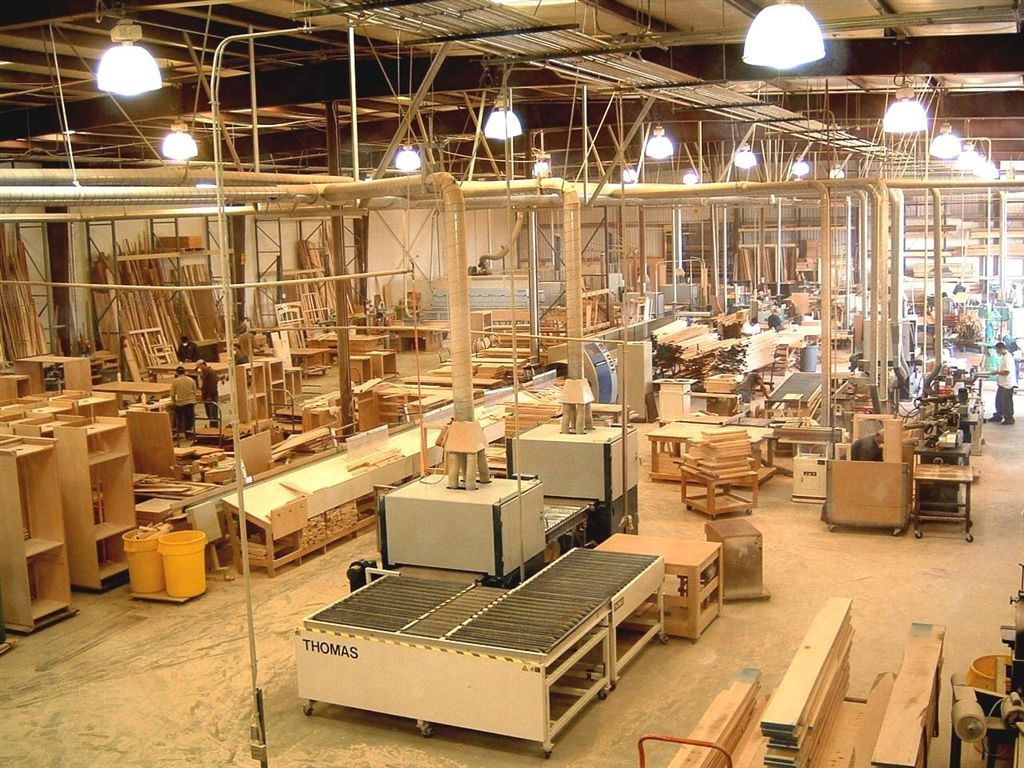
Investing in automation and advanced technologies can further streamline production processes. Automation not only speeds up repetitive tasks but also enhances precision and consistency in manufacturing outcomes. Integrating smart systems, such as IoT devices and AI-driven analytics, allows for real-time monitoring and adjustments, ensuring optimal performance of production equipment. This technological enhancement supports a more agile production environment capable of responding to market demands swiftly.
Collaboration between different departments is also essential for streamlined production. When engineering, production, and quality assurance teams work in sync, it leads to better product design, fewer defects, and faster turnaround times. Regular communication encourages the sharing of insights and feedback, fostering a culture of continuous improvement. As a result, streamlining production processes becomes a holistic approach that enriches the overall efficiency of product manufacturing.
Measuring and Improving Efficiency
To optimize product manufacturing, it is essential to measure efficiency accurately. Key performance indicators such as production cycle time, machine utilization, and defect rates provide valuable insights into the effectiveness of manufacturing processes. By collecting and analyzing data from these indicators, manufacturers can identify bottlenecks and areas for improvement. Regularly reviewing this data ensures that teams are aligned with efficiency goals and can adapt quickly to any changes in production demands.
Once efficiency levels are assessed, the next step is to implement strategies for improvement. Lean manufacturing principles, such as eliminating waste and optimizing workflow, can significantly enhance productivity. Techniques like value stream mapping allow teams to visualize processes and pinpoint inefficiencies. Additionally, investing in employee training ensures that workers have the skills needed to operate machinery effectively and adhere to best practices in production.
Continuous improvement is a vital part of maintaining high efficiency in product manufacturing. Engaging the workforce in feedback loops fosters a culture of innovation and accountability. Regularly scheduled reviews of performance metrics and team discussions can lead to actionable insights that drive incremental improvements. By creating a dynamic environment where suggestions are welcomed, manufacturers can respond to challenges promptly and maintain a competitive edge in the market.